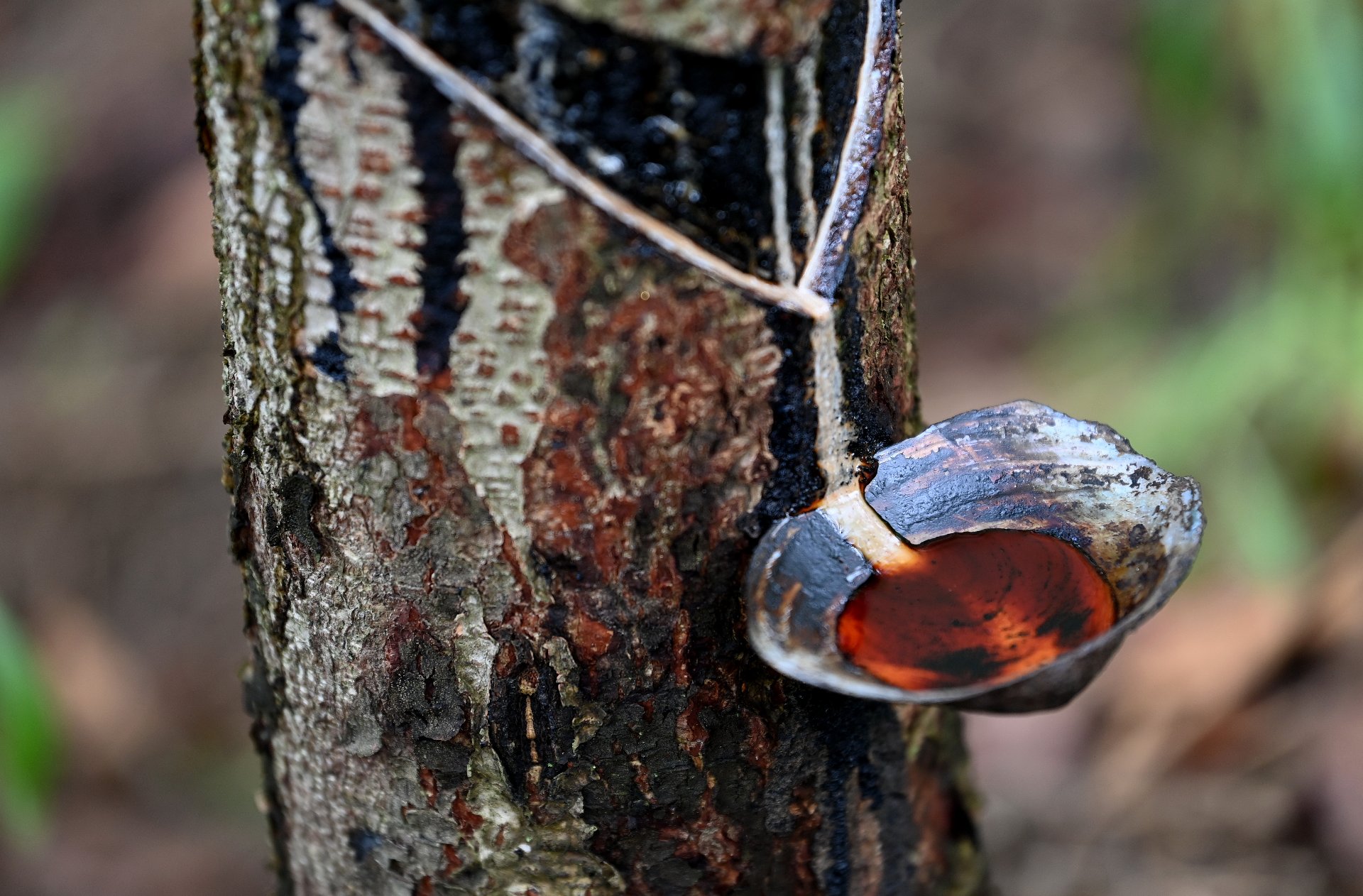
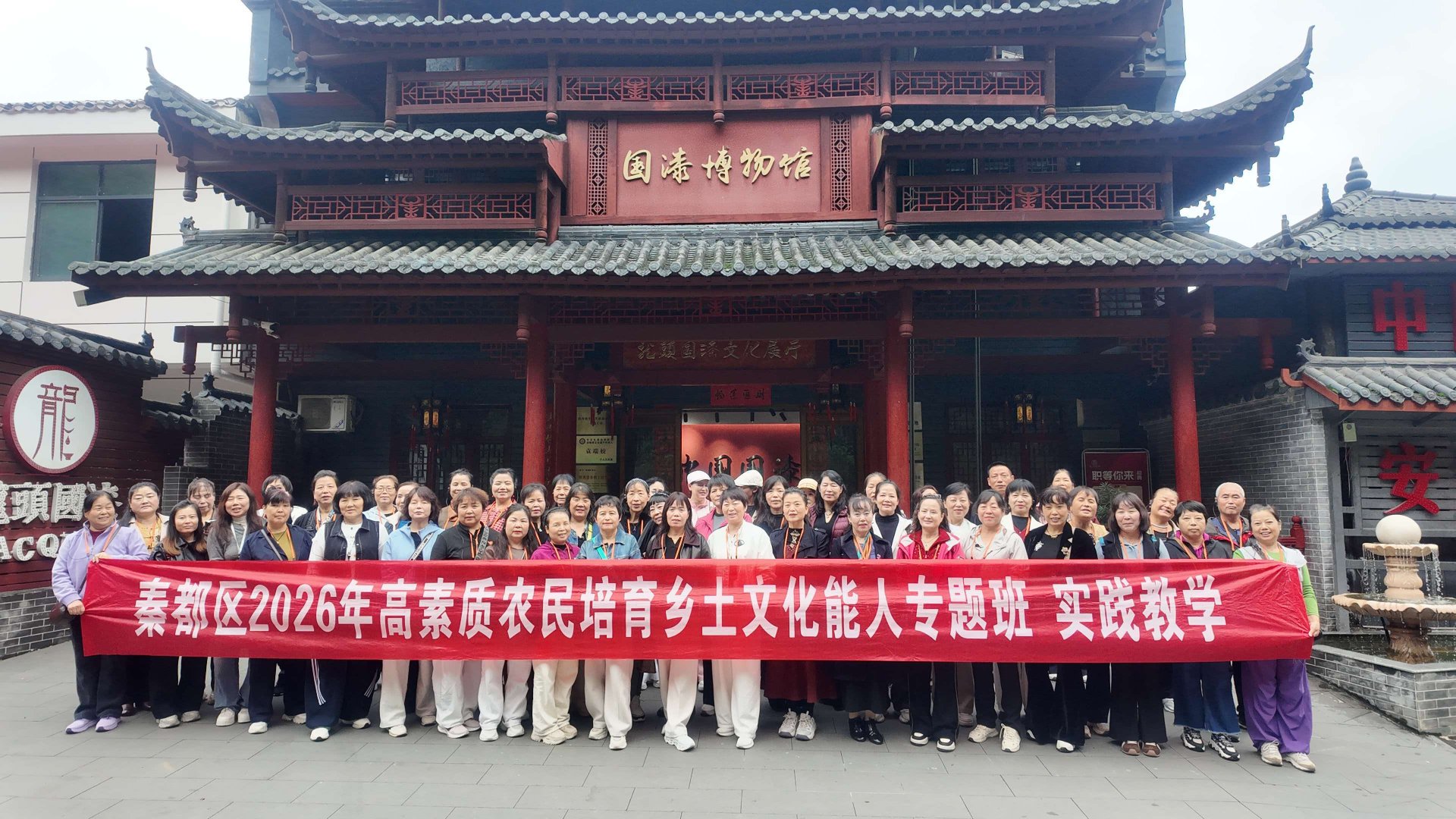
On 15 October 2026, participants of the Qindu District 2026 Rural Cultural Talent Training Class visited the National Lacquer Museum (Longtou National Lacquer Culture Exhibition Hall) for a field session themed "Lacquer Culture and Intangible Cultural Heritage Transmission".
Bringing the Classroom into the Living Heritage Site
Rural cultural talents are the "team that never leaves" in rural revitalisation. This class combines theory with practice to cultivate local backbone figures who understand agriculture and rural life as well as the intangible cultural heritage of their own region. As a key showcase of China's raw lacquer culture, the National Lacquer Museum presents the complete chain — from lacquer tree cultivation and raw lacquer tapping to coating, burnishing and final forming — giving participants an immersive setting for learning.
Reading the Industrial Roots through "A Hundred Li, A Thousand Cuts, One Jin of Lacquer"
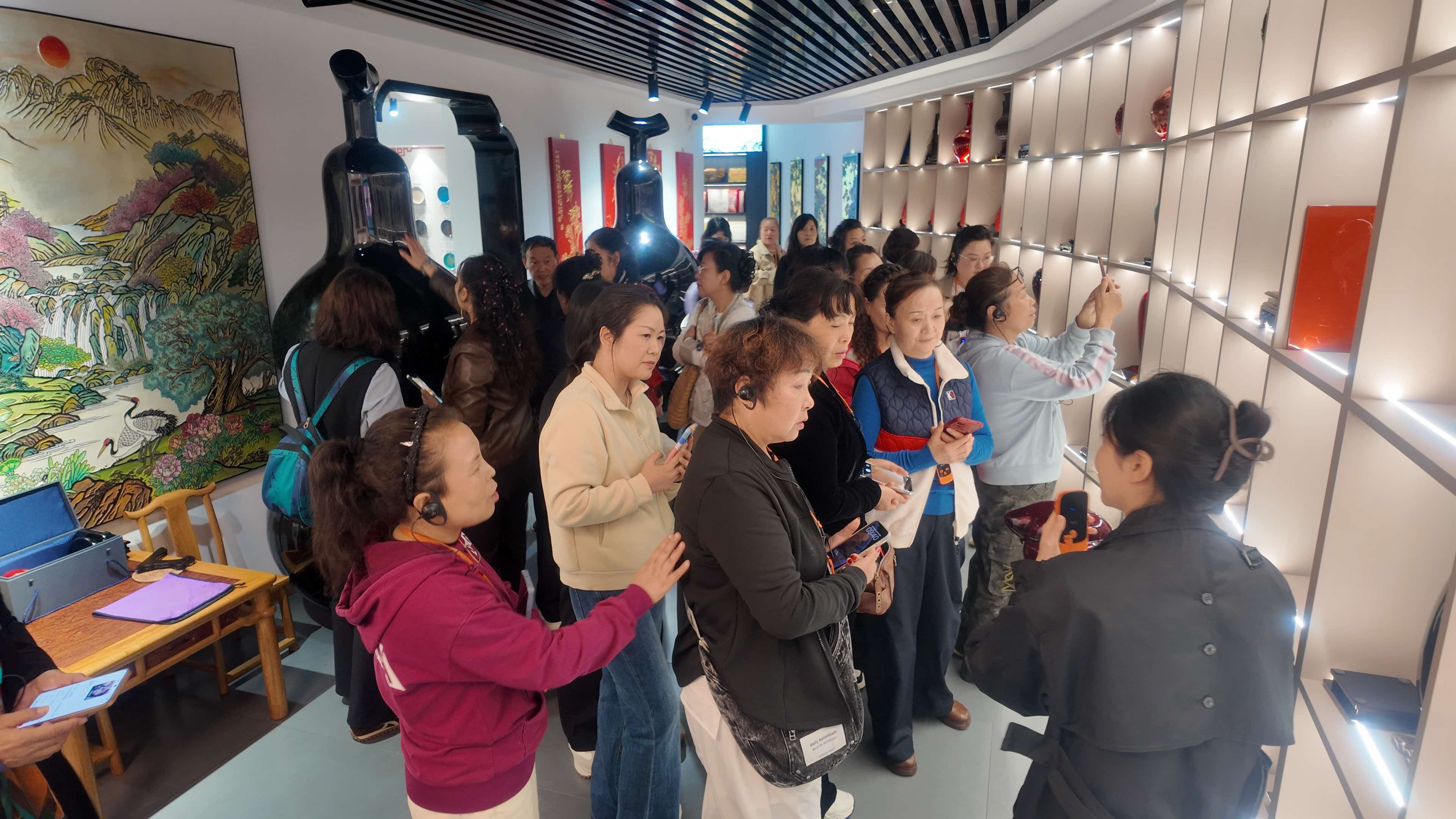
In the gallery, participants followed the guide through raw lacquer materials, historic lacquer masterpieces and contemporary cultural-creative products, learning why "a hundred li, a thousand cuts, one jin of lacquer" is so precious, and discovering the ecological and industrial foundations behind Niuwang lacquer of Pingli, Shaanxi — a nationally recognised name. Objects finished with techniques such as coating, gold-tracery, biantu and floating lacquer made the idea that "intangible heritage is not a display case, but something that can enter daily life" tangible.
Understandable, Takeaway, Usable
The field session stressed learning for use. Participants did not simply study lacquer art; they focused on how to turn cultural resources into momentum for rural industry — how to build intangible-heritage study tours into rural tourism routes, how to tell the story of lacquer through short video and new media, and how to let local farm produce packaging and cultural-creative design carry regional cultural symbols. These questions sparked lively discussion on site.
Giving Heritage Transmission a Team and a Vehicle
Zhengdaming will continue to draw on the strengths of the Qinba raw lacquer industry and its pool of heritage bearers to advance the deep integration of "intangible heritage + education + industry", providing standing support for the training of high-quality farmers and the building of rural cultural talent teams. Talent is the first resource of rural revitalisation; culture is the root of the countryside — placing rural cultural talents inside the industry chain and at the heritage site itself both injects new blood into heritage transmission and opens a workable path for rural cultural revitalisation: "culture sustained by industry, industry lifted by culture".