From 28 to 30 November 2025, the 2025 "Longtou Laisheng Cup" Guqin-Making Competition was held at the Yangzhou Cultural Center. Shaanxi Longtou Guqi Cultural Industry Co., Ltd. joined as a co-organiser, with Yuan Duanjiao serving on the jury as a lacquer expert alongside leading qin makers from across China.
Timber and Lacquer: A Gathering in the Name of the Qin
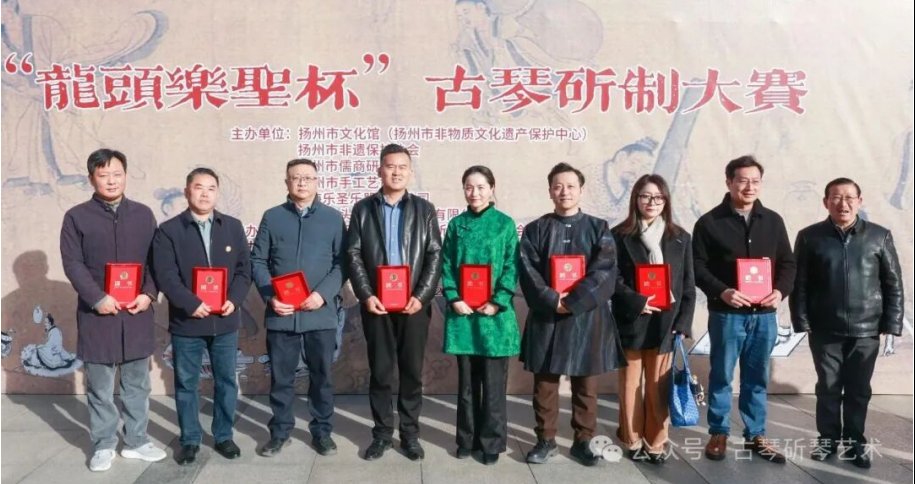
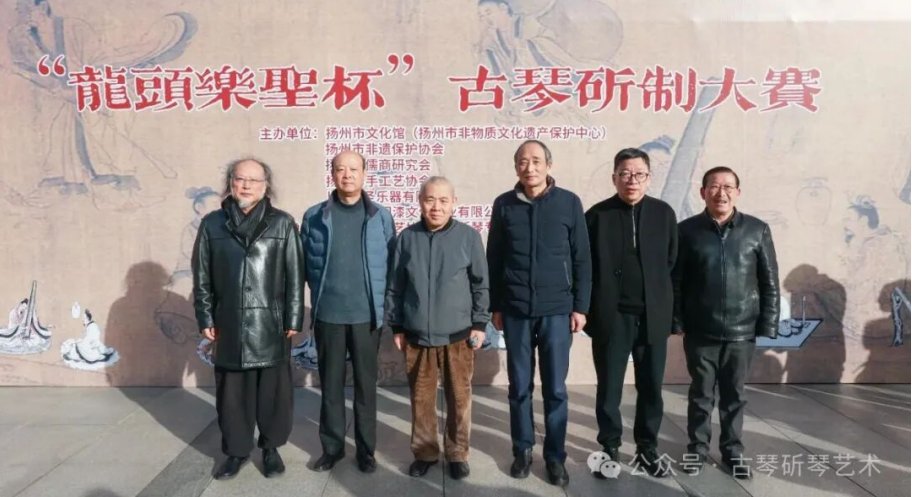
Half of the guqin's voice lives in the wood, and half in the lacquer. The layer of raw lacquer on the soundboard protects the instrument across centuries and shapes the classic tone of "clarity, subtlety, simplicity and distance". On the morning of 28 November 2025, the "Longtou Laisheng Cup" Guqin-Making Competition opened at the Yangzhou Cultural Center, where expert judges, member representatives and supervisors gathered for a group photo. The competition was co-organised by the Yangzhou Cultural Center (Yangzhou ICH Protection Center), the Yangzhou ICH Protection Association, the Yangzhou Confucian Merchants Research Association, the Yangzhou Handicraft Association, Shanghai Lesheng Musical Instruments Co., Ltd. and Shaanxi Longtou Guqi Cultural Industry Co., Ltd., and hosted by the Qin-Making Committee of the Yangzhou Handicraft Association. More than 80 qin competed, bringing qin makers from across the country together in Yangzhou to examine craft through silk and paulownia, and to touch the warmth of intangible heritage in timber and lacquer.
"Listening Behind the Curtain, Scoring on the Spot": A Rigorous Sound Judgement
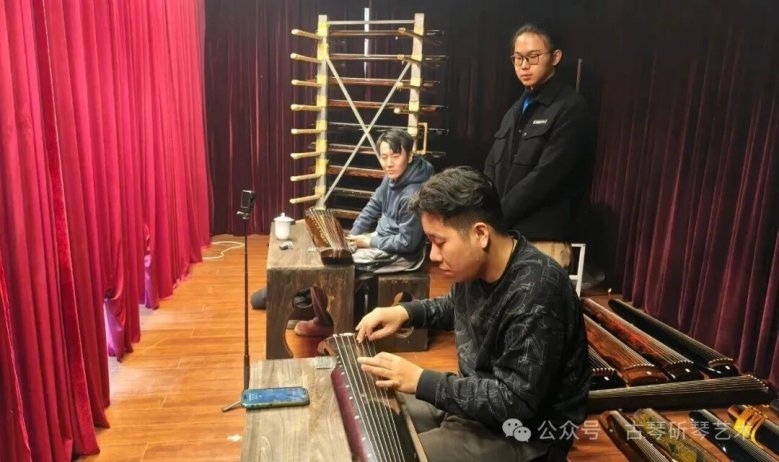
The sound competition took place on 28 November. To ensure fairness, every entry was re-coded before judging, with the original codes kept by a third party drawn from representatives of the three organising groups; neither the staff nor the judges knew which instrument belonged to whom. Six leading experts — Wang Peng, Zeng Chengwei, Xu Junyue, Ni Shiyun, Pei Jinbao and Zhu Zhenghai — joined ten member representatives on the panel, adopting a "listening behind the curtain, scoring on the spot" method. The whole process was recorded and livestreamed, with entries judged in groups of ten and a ten-minute break between groups, keeping the competition open, fair and just.
The Lacquer Jury: Beneath the Timber, the Lacquer
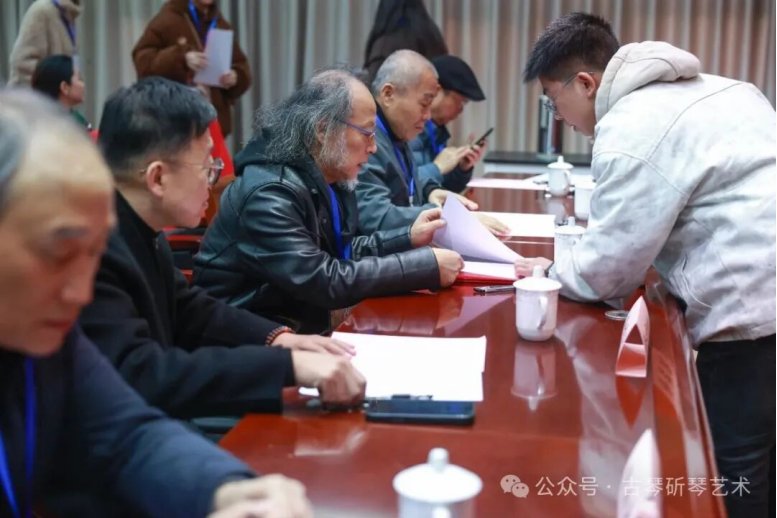
On the morning of 29 November, the lacquer-finishing and craftsmanship awards were judged by qin experts Zeng Chengwei, Xu Junyue, Pei Jinbao, Ni Shiyun, Zhu Zhenghai, Yan Shunyang and Hu Danyue, together with lacquer experts Zhang Laixi and Yuan Duanjiao. Each instrument was scored on design, string spacing, playing feel, creative expression, fittings and the quality of its lacquer finish. As a Shaanxi Provincial Master of Arts and Crafts and provincial-level inheritor of lacquer techniques, Yuan Duanjiao, founder of Zhengdaming Cultural Industry Group, has devoted years to Qinba lacquer craft. Her presence on the jury brought two intangible heritage traditions — Qinba lacquer and guqin making — face to face: on a qin, lacquer is never mere decoration, and the thickness of the ground layers is written directly into the feel and the voice of the instrument.
Three Awards and the "Longtou Laisheng Grand Prize"
The competition presented three single-category awards — sound, lacquer finishing and craftsmanship — and the highest honour, the "Longtou Laisheng Grand Prize", was decided by the combined scores of all three. The "Ji Kang" model guqin made by Xiaohua of the 67th generation, crafted from century-old paulownia wood through dozens of traditional steps including material selection, splitting, planing, hollowing, assembling, lacquering and final tuning, won the Silver Award for Sound after three rounds of rigorous judging, adding a new honour to the traditional art of the Chinese guqin.
Bringing Lacquer Back to the Qin
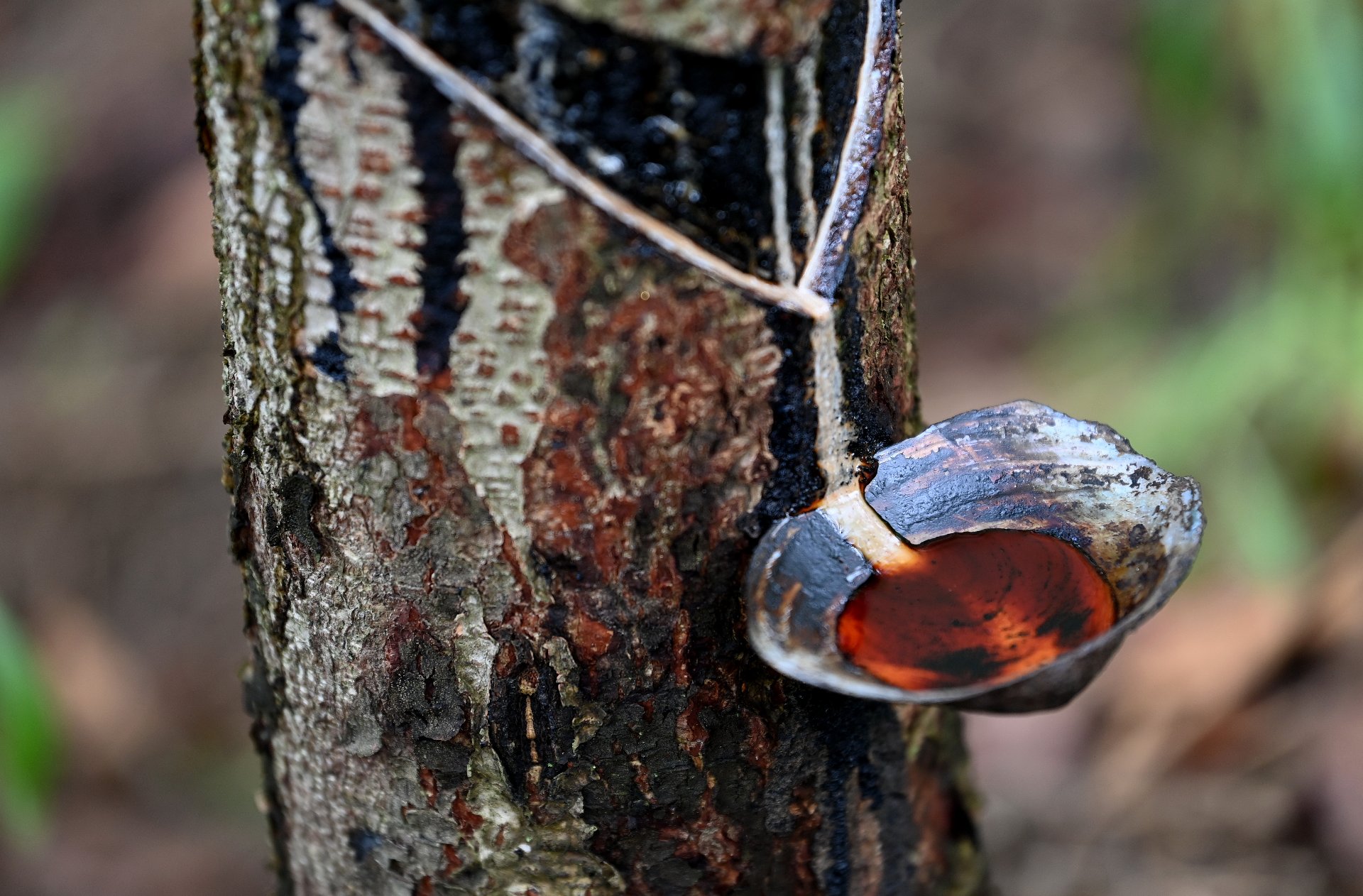
Since 1925, when the lacquer merchant Yuan Yongling founded the "Zhengdaming" shop and traded "Niuwang" lacquer, the brand has been entwined with lacquer for a century. Today Zhengdaming Cultural Industry Group has worked in Qinba lacquer for 12 years, with more than 5,000 mu of lacquer tree bases in Ankang, Enshi, Chengkou, Shangluo and Zhuxi, providing employment for more than 600 people through a "company + cooperative + farmer" model, and building a complete chain from tree cultivation and raw lacquer tapping to refined lacquer and finished works. Co-hosting this competition is a dialogue with the guqin — the first of the "qin, chess, calligraphy and painting" — through the medium of lacquer, and a return of Qinba raw lacquer to one of its classic settings: on the qin. Going forward, Longtou Guqi will continue to serve guqin making, lacquerware and lacquer restoration with its materials and craft, letting Chinese lacquer be seen by the times again.